

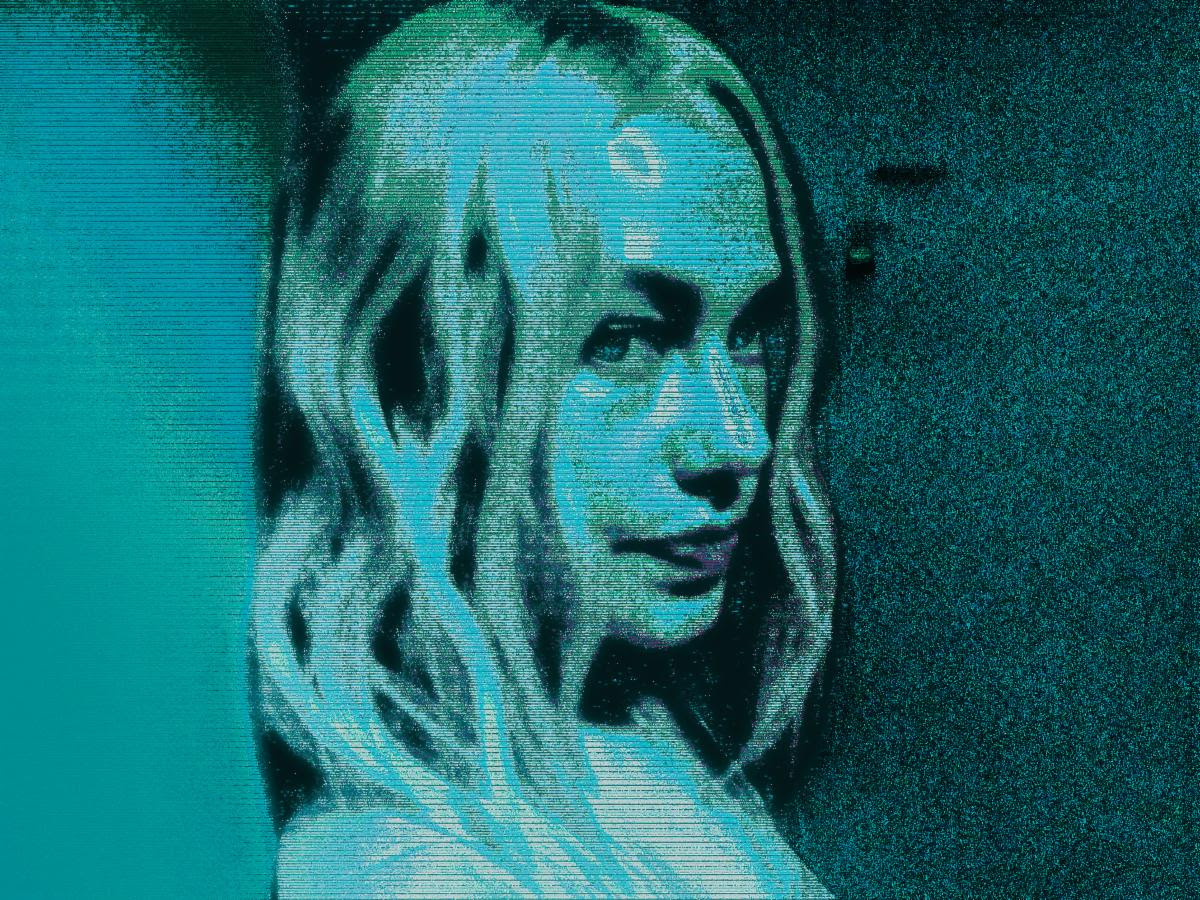
I don’t need to run through a recap of 2020 for you to know it was a fraught year. It was a collective experience. For the majority of us, mental health was at its lowest. Anything that felt like it made life great either completely unavailable or a limited time offer. Naturally around this time, on top of a Depression diagnosis I was also reeling from the end of a situationship that wreaked the kind of psychological warfare the CIA would be proud of. At the time, the only way to cope was by listening to Phoebe Bridgers’, Punisher, on repeat.
Bridgers is no stranger to life’s more complex and tougher subjects. On her last album, she brought us on an immersive exhibit in processing trauma; exploring and dissecting parts of herself with poignant but caustic lyricism. The album catapulted her into megastardom, winning Grammys with Boy Genius, opening up for Taylor Swift on The Eras Tour, and starting her own Record Label Imprint. Her newest, highly-anticipated album, Lost Weekend, doesn’t sacrifice any of that to journey through the juxtaposition of the grief, from suddenly losing her father, while also settling into a new relationship after the end of a very public one. If anything, the lyricism is supported by expansive sonic landscapes that leave the listener forced to examine their own feelings in between what is being said to them.
It is now six years later and a lot has changed in both mine and Bridgers’ lives. A lot of the trauma for those days is blurred and in order to survive, one must go on. Now, it’s less about the trauma, because that will always be there: the spotlight is now on what the artist needs for herself. Bridgers needs to prioritize The Self; to create space, reassemble her identity, and settle within it. In the fabric of Lost Weekend, Phoebe creates a space entirely her own.
At the root of Bridgers’ indelible impression on the legacy of the whole of music is her songwriting abilities. She has a deftness in piercing a hole in the heart of the listener, disarming them with the simplest of words. Those words together often compile a precision in observing the mundane and humiliating parts of our existence. On “Haunted,” she sings, “I have no secrets / Only feelings / And I know those go away / There is a difference / Between lying and deciding what not to say.”
The first two tracks, “The Outside” and “Lost Boys,” immediately enrapture the listener, setting the scene with a vocoder and plenty of room for the thoughtfulness of ambience. On the latter, one of the albums lead singles, she sings, “This machine is killing me / I pretended it was make believe/ Lost boys never grow up.” That we know, Phoebe, that we know. “Lost Boys,” although not really an uplifting song, comes across as a triumphant melody. That seems to be another theme in Lost Weekend: two things can be true. There can be a lightness to tragedy and good things can happen even in the wake of mourning and grief.
Another element that stood out to me about this album is the presence and frequency of ambient sounds. Many of the tracks end abruptly and without warning, leaving the listener at risk of an emotional maelstrom. Then I learned Bridgers listened to a lot of ambient music while working on the album, and it made a lot of sense. “The music I’ve listened to the most for pleasure is probably ambient music,” Bridgers said, “What I love about ambient music is that, when you’re listening, you can’t help but feel whatever it is that it’s trying to make you feel. The method of emotional transfer from composer to listener is totally different than it is when relying on a lyric to tell you something or inform you of something.” It brought a new perspective to these sonic amalgamations. Maybe instead of causing an overwhelm of emotion, these are opportunities of respite, giving the listener permissions to feel. These interludes happen on “Panorama,” “Never Going Back!.” and “Lost Parade,”—and are just as satisfying as her powerful lyricism.
The dualities on Lost Weekend are countless. It’s a celebration of falling in love but is also a requiem of sorts for her late father. She created an auditory habitat to roam and feel freely. Bridgers didn’t need this album to prove her prowess or solidify greatness. Of more importance is how she needed and crafted a space for herself in her own life. Sometimes that’s the most challenging thing you can do.
Lost Weekend is out now.
Pingback: The Best Songs Released in August 2026